Understanding the psychological factors that drive gambling behavior in casinos
The Allure of Gambling
The appeal of gambling in casinos is rooted in a blend of excitement, risk, and the possibility of reward. This combination can trigger a rush of adrenaline, engaging players at both emotional and psychological levels. Many are drawn to the thrill of testing their luck against the odds, making each spin of the wheel or hand of cards a potential life-changing event. The environment is crafted to heighten this experience, with vibrant lights and sounds designed to captivate and enchant. For beginners, websites like https://gatesofolympusroulette.games/ can serve as excellent starting points.
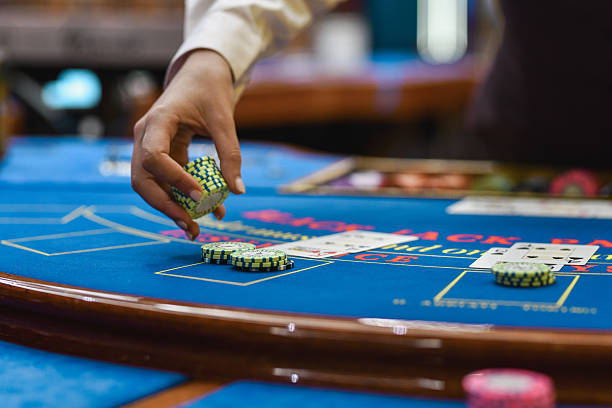
Furthermore, the social aspect of gambling plays a significant role in its allure. Players often find themselves amidst others who share the same desires, fostering a sense of camaraderie and community. This social interaction can enhance the enjoyment of the game, making losses feel less acute and wins more celebratory. Additionally, this community aspect can lead to a collective behavior where individuals are influenced by the reactions and experiences of those around them, further driving participation in gaming activities.
The immediate gratification provided by gambling also contributes to its allure. Unlike many forms of entertainment that require long-term commitment or investment, casinos offer quick results. A player can invest a small amount and, in a matter of minutes, either win or lose significant sums. This element of chance combined with the potential for instant reward makes gambling a particularly enticing option for many, feeding into the psychological drive for immediate satisfaction.
Psychological Triggers Behind Gambling
Several psychological triggers influence why individuals choose to gamble, often unconsciously. One key factor is the concept of loss aversion, which suggests that the pain of losing is more significant than the pleasure of winning. This psychological phenomenon can lead players to chase losses, believing that a win is just around the corner. This behavior often results in extended gambling sessions, as individuals work to recover their losses, creating a cycle of continued play.
Addiction also plays a crucial role in gambling behavior. For some individuals, the thrill and excitement can lead to compulsive gambling, where they feel an uncontrollable urge to keep playing despite negative consequences. The brain’s reward system becomes activated, reinforcing this behavior and making it difficult for individuals to stop. This can create a cycle of dependency, where the player seeks to replicate the euphoric feeling of winning, even when the odds are stacked against them.
Another psychological aspect is the illusion of control. Many players believe they can influence the outcome of games through skill, strategy, or intuition, even in games of chance like slots or roulette. This belief can be particularly powerful, as it encourages players to engage more deeply with the game. The more they feel in control, the more they are likely to invest time and money in hopes of achieving a favorable outcome, often disregarding the underlying randomness of the games.
The Role of Environment in Gambling Behavior
The environment of a casino is meticulously designed to enhance the gambling experience and influence behavior. Factors such as lighting, sound, and layout all play significant roles in creating an immersive atmosphere. Bright lights and vibrant colors can stimulate excitement and anticipation, while the sounds of winning and the buzz of conversation provide a sensory backdrop that reinforces the allure of gambling.
Moreover, the strategic placement of games and machines encourages players to engage more. High-stakes games may be located in prominent areas to attract larger crowds, while low-stakes games allow novices to ease into the experience without feeling overwhelmed. This careful design creates a flow of traffic that can lead to spontaneous gambling decisions, drawing players into longer sessions and increased spending.
The psychological impact of rewards and incentives cannot be understated in this context. Casinos often implement loyalty programs, offering players rewards for continued patronage. These incentives can create a sense of obligation and anticipation for future rewards, reinforcing a player’s likelihood to return. As players accumulate points or benefits, they may feel a psychological ownership over their gambling activity, further enhancing their commitment to the casino environment.
Behavioral Economics and Gambling
Behavioral economics provides insight into the decision-making processes of gamblers, revealing that individuals often do not act purely rationally. For instance, cognitive biases such as the gambler’s fallacy—where individuals believe that past events influence future outcomes—can lead to poor decision-making. A player might think that a slot machine is “due” for a win after a series of losses, pushing them to continue gambling in hopes of an imminent reward.
Another aspect is the concept of sunk cost fallacy, where individuals continue investing in a losing proposition due to the amount they have already spent. This can trap players in a cycle of ongoing losses, as they feel compelled to gamble further in the hopes of recouping their previous investments. Understanding these behavioral economics principles can help casinos craft strategies that attract players while also highlighting the need for responsible gambling practices to mitigate the potential for harm.
Finally, the concept of framing effects can also be examined within the context of gambling. The way in which gambling options are presented can significantly influence choices. For example, players might react differently to a game being marketed as having a “95% chance of winning” versus one framed as having a “5% chance of losing.” This subtle manipulation of language can steer players toward making different choices, further complicating their understanding of risk and reward.
Responsible Gaming and Resources
As the gambling industry continues to grow, it is imperative to address the potential for harm associated with gambling behaviors. Many casinos have taken steps to promote responsible gaming by offering resources and support for those who may be struggling with compulsive behaviors. This includes providing information on self-exclusion programs, where players can voluntarily restrict their access to gaming facilities to mitigate harmful patterns.
Educational initiatives are also vital in equipping players with the knowledge they need to make informed decisions. Casinos often provide materials that outline the odds of various games, responsible gambling tips, and access to support services. These resources empower players to understand their behavior, encouraging them to gamble for enjoyment rather than as a means of escape or recovery from personal issues.
Websites focused on gambling education also play a crucial role in fostering a healthy relationship with gaming. By offering insights into the psychology behind gambling, strategies for responsible play, and avenues for seeking help, these platforms can guide both novice and experienced gamblers toward more mindful participation. As awareness grows, so does the importance of maintaining an enjoyable and safe gambling environment for all players.